
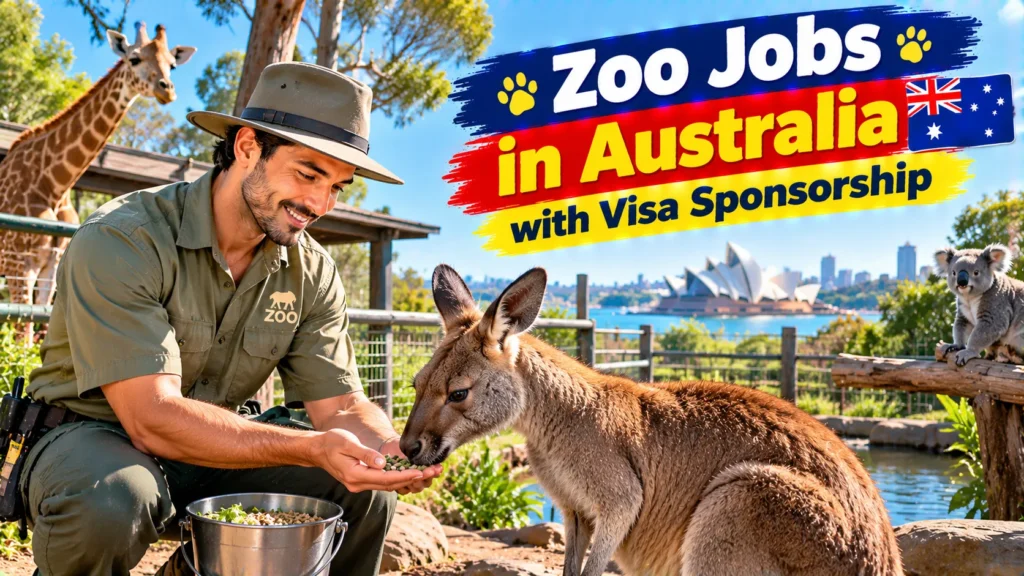
Australia has a wide range of wildlife parks, zoos, conservation centers, and animal care facilities. These organizations employ people to care for animals, maintain habitats, support veterinary teams, and educate visitors about wildlife. For foreign applicants with relevant skills and experience, zoo-related jobs may offer an opportunity to build a career in Australia’s animal care and conservation sector.
Some Australian employers recruit overseas workers when they need specific qualifications or experience. However, visa sponsorship is not available for every zoo position. Applicants must meet the employer’s requirements and qualify for an appropriate Australian work visa. Understanding the different roles and their eligibility requirements can help you focus on suitable opportunities.
Job Overview
- Job Title: Zoo and Wildlife Worker
- Country: Australia
- Job Type: Full-time, part-time, casual, or contract
- Experience: Entry-level to experienced positions, depending on the role
- Education: Varies by occupation
- Language: English
- Workplaces: Zoos, wildlife parks, animal sanctuaries, and conservation facilities
- Visa Sponsorship: Possible for eligible occupations and applicants
- Key Skills: Animal care, observation, communication, teamwork, and safety awareness
Types of Zoo Jobs in Australia
1. Zookeeper
Zookeepers care for animals and help maintain safe, clean enclosures. Their duties may include preparing food, monitoring animal behavior, cleaning habitats, and reporting changes in an animal’s condition. Employers often prefer candidates with animal care experience or relevant qualifications in animal studies, wildlife care, or a related field.
2. Wildlife Keeper
Wildlife keepers work with native and exotic animals in wildlife parks and conservation facilities. They may assist with feeding routines, habitat maintenance, enrichment activities, and animal observations. Experience handling animals safely can be valuable, particularly for positions involving specialized species.
3. Veterinary Nurse or Animal Health Assistant
Veterinary teams in zoos may employ qualified veterinary nurses or animal health support staff. Depending on the position, duties can include preparing equipment, assisting with examinations, maintaining treatment records, and supporting animal recovery. Veterinary nursing roles may require recognized qualifications and relevant registration or credentials.
4. Wildlife Conservation Worker
Conservation workers support projects that protect wildlife and natural habitats. Their work may include observing animals, collecting field data, assisting with breeding programs, and supporting conservation education. Some positions require a degree in zoology, ecology, wildlife biology, or environmental science.
5. Zoo Education Officer
Zoo education officers help visitors understand animal behavior, conservation, and environmental protection. They may lead school programs, prepare educational activities, and explain how visitors can support wildlife. Strong communication skills and knowledge of animals are important for this role.
6. Zoo Maintenance and Grounds Worker
Zoos also hire workers to maintain pathways, gardens, fences, animal enclosures, and visitor areas. These jobs may suit applicants with landscaping, construction, maintenance, or groundskeeping experience. However, working near animals can involve additional safety procedures and training.
Also Check: Coffee Server Jobs in Australia with Visa Sponsorship 2026
Responsibilities of Zoo Workers
Daily responsibilities depend on the position and the facility. Common duties may include:
- Preparing food and providing care according to animal-specific instructions.
- Cleaning enclosures and maintaining hygienic conditions.
- Observing animal behavior and reporting unusual changes.
- Supporting habitat improvements and enrichment activities.
- Following animal handling and workplace safety procedures.
- Maintaining care records and reporting completed tasks.
- Assisting veterinarians or experienced animal care staff when qualified.
- Helping educate visitors about wildlife and conservation.
- Working with colleagues to maintain safe environments for animals and visitors.
Some roles involve physically demanding work, outdoor conditions, early starts, weekends, and public holidays.
Salary and Employee Benefits
Zoo salaries in Australia vary according to the employer, location, qualifications, experience, and responsibilities. Entry-level animal care or groundskeeping roles generally have different pay rates from specialist zookeepers, veterinary professionals, and conservation scientists.
Some employers may offer paid leave, superannuation contributions, training, or other employment benefits under the applicable arrangements. Accommodation, relocation assistance, and visa support are not guaranteed. Applicants should confirm the salary, working hours, overtime arrangements, and benefits in the written employment offer.
Requirements for Foreign Applicants
Requirements depend on the role and employer. Common expectations include:
- A valid passport and eligibility for the relevant work visa.
- Relevant animal care experience or qualifications, where required.
- A CV explaining previous work and practical skills.
- Good English communication skills.
- Knowledge of animal welfare and workplace safety.
- Physical fitness for duties involving lifting, cleaning, or outdoor work.
- Professional qualifications for regulated veterinary positions.
- Willingness to complete employer-provided training and background checks.
Entry-level roles may accept applicants with limited experience, but this does not mean they automatically qualify for sponsorship. Specialist positions may offer a more suitable pathway when the occupation and applicant meet current visa criteria.
Visa Sponsorship for Zoo Jobs in Australia
Foreign workers need the appropriate permission to work in Australia. Employer-sponsored visa options depend on the occupation, the applicant’s qualifications and experience, the employer’s eligibility, and current immigration rules.
Not every zookeeper, animal attendant, groundskeeper, or zoo assistant position qualifies for an employer-sponsored visa. Before applying, check whether the specific occupation is eligible under a relevant visa pathway and whether the employer is prepared to sponsor an overseas candidate.
Review the Australian government’s official Visa Finder to explore available options. Do not assume that a job advertisement mentioning international applicants guarantees visa approval.
How to Apply for Zoo Jobs in Australia
Follow these steps to find suitable opportunities:
- Prepare your CV: Highlight animal care experience, relevant training, practical skills, and qualifications.
- Search official career pages: Check Australian zoos, wildlife parks, conservation organizations, and animal care facilities.
- Review the requirements: Confirm the experience, education, and licensing conditions for each role.
- Check sponsorship eligibility: Ask the employer whether the position is open to overseas applicants and whether sponsorship may be available.
- Submit your application: Provide your CV, cover letter, and supporting documents as requested.
- Prepare for interviews: Be ready to discuss animal welfare, safety, teamwork, and your experience with animals.
- Verify the offer: Confirm salary, duties, contract terms, and visa arrangements before making travel plans.
- Click Apply Now to get started.
Final Thoughts
Zoo jobs in Australia can appeal to people interested in animal care, wildlife conservation, and environmental education. Opportunities range from zookeeping and veterinary support to conservation research and facility maintenance. Foreign applicants should focus on roles that match their skills and carefully check whether the position qualifies for sponsorship. A genuine employer, suitable qualifications, and the correct work visa are essential for pursuing a zoo career in Australia in 2026.